2/14/2025
The 5-Minute Presentation That Changed My Career: How to Speak So Executives Listen
Effective presentations to executives prioritize clarity and brevity, focusing on bottom-line insights, stakes, and clear next steps rather than excessive detail. This storytelling approach keeps leaders engaged and drives decision-making.
Prefer to listen?
YouTube: Open on YouTube
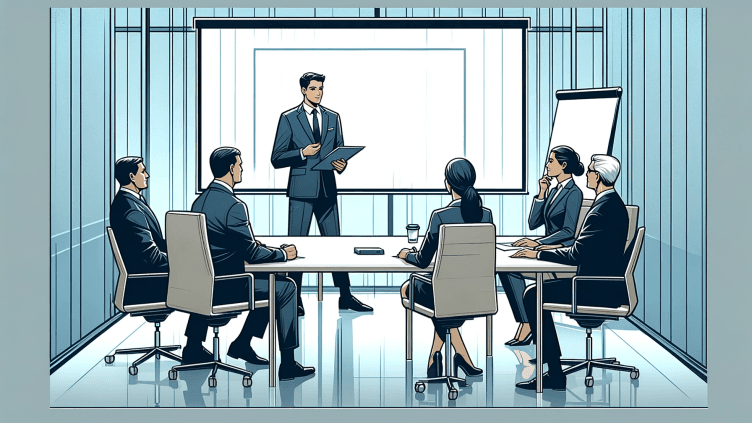
This week, as I sat through multiple presentations from newcomers, something struck me.
I found myself struggling to stay engaged, not because their content wasn’t valuable, but because they were sharing too much detail.
I was forcing myself to focus, but my mind kept drifting.
And then I realized: I have been there.
That memory took me back to a defining moment in my career, a scenario that forced me to completely rethink how I communicate in high-stakes situations.
The Meeting That Made Me Rethink Everything
Years ago, I was leading a major engineering development project. I had spent hours perfecting my presentation: polished slides, detailed data, everything executives could possibly need.
But as I started speaking, I noticed something:
- The VP was scrolling through emails.
- The CEO was checking her phone.
- One executive whispered to another.
I was losing them.
At that moment, I realized: I was talking, but I wasn’t communicating.
I was giving too much background, too many details, and not enough clarity.
And I see this mistake happen all the time, especially with introverts.
The Right Way to Present: Tell a Story
To deliver a high-impact presentation that keeps executives engaged, you need to grab their attention and tell them what they actually want to hear.
Executives don’t want all the details. They want to know three things:
- What they need to know (Bottom-line insight)
- Why it matters (What’s at stake)
- What they need to do next (Clear next steps)
So, instead of overwhelming them with data, frame your message as a story using these key points:
Start with the conclusion.
“We are on track, but vendor delays might affect our launch. We have two choices: increase resources to stay on schedule or adjust the launch date.”
Support with only key insights.
“Here are the three biggest risks affecting our timeline.”
End with action steps.
“Which option do you prefer?”
This approach immediately captures attention because it tells them exactly what they need to focus on without unnecessary background noise.
A great presentation follows a structured Storytelling flow:
- The Context: Where are we now? (Set the stage)
- The Challenge: What’s at stake? (Create urgency)
- The Solution: What do we need to do? (Guide the decision)
This structure ensures that your presentation is clear, engaging, and results-driven.
Final Thoughts: Speak So They Listen
The biggest mistake introverts make is believing more detail = more credibility.
But in leadership meetings, clarity and brevity matter more.
Key takeaway: Skip the background and get to the point.
If you are an introvert working on your leadership presence, I encourage you to seek guidance and practice these principles.
Have you ever struggled with presenting to executives? Let’s discuss in the comments!