Ownership Gets Absorbed by Whoever Speaks When the Decision Maker Is Listening.
Navigating a high-stakes client meeting, Ivy reflects on the trained skill of reading the room and owning the narrative before someone else does.
Quiet, thoughtful insights on leadership, confidence, and navigating high-pressure environments as an introvert.

Navigating a high-stakes client meeting, Ivy reflects on the trained skill of reading the room and owning the narrative before someone else does.

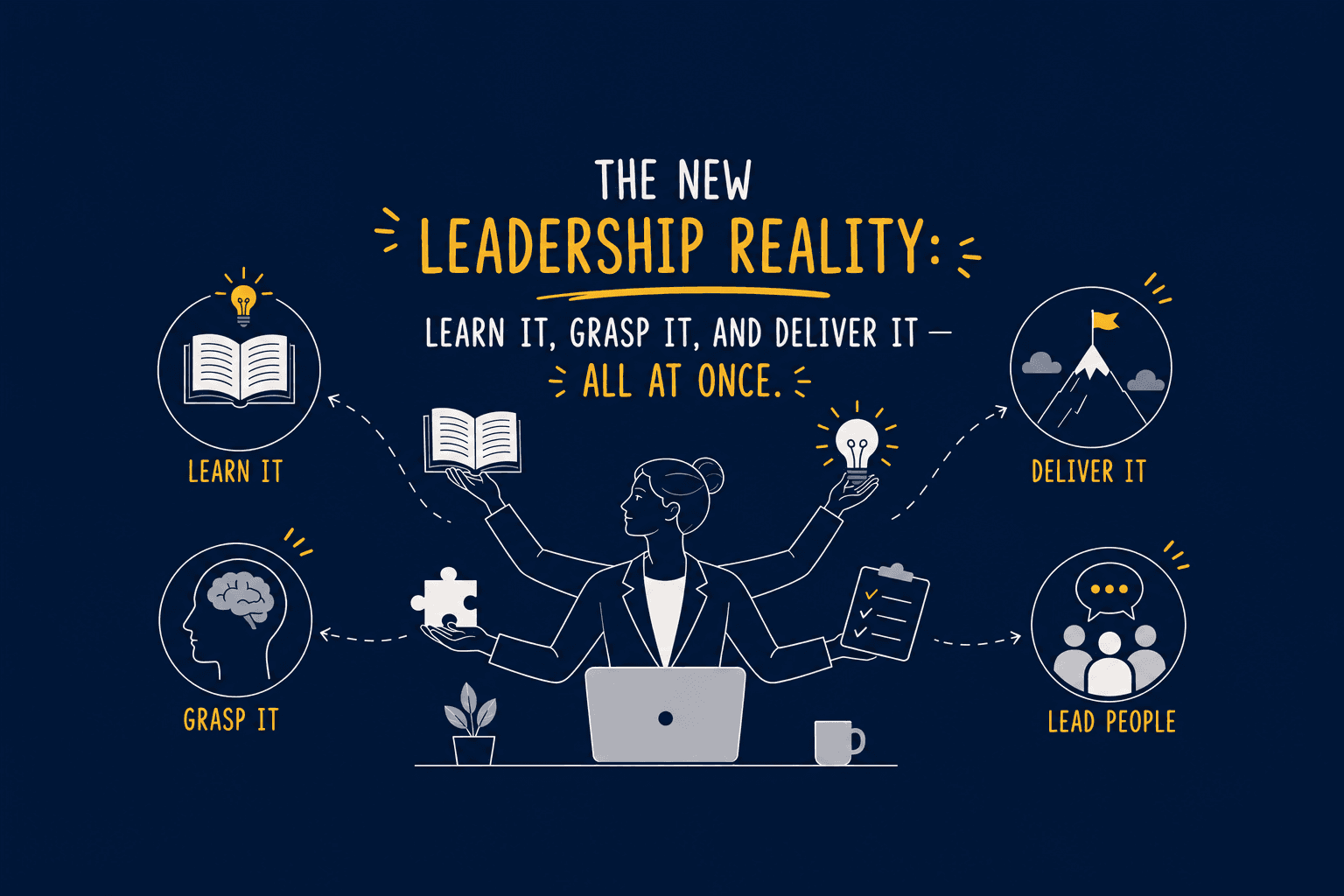
Leaders often must deliver results before they feel fully prepared, navigating new territory while being evaluated in real time.

Energy management, not time management, is the key to avoiding burnout in demanding careers, as leaders who perform best treat their energy as a finite resource and choose deliberately where to direct it.

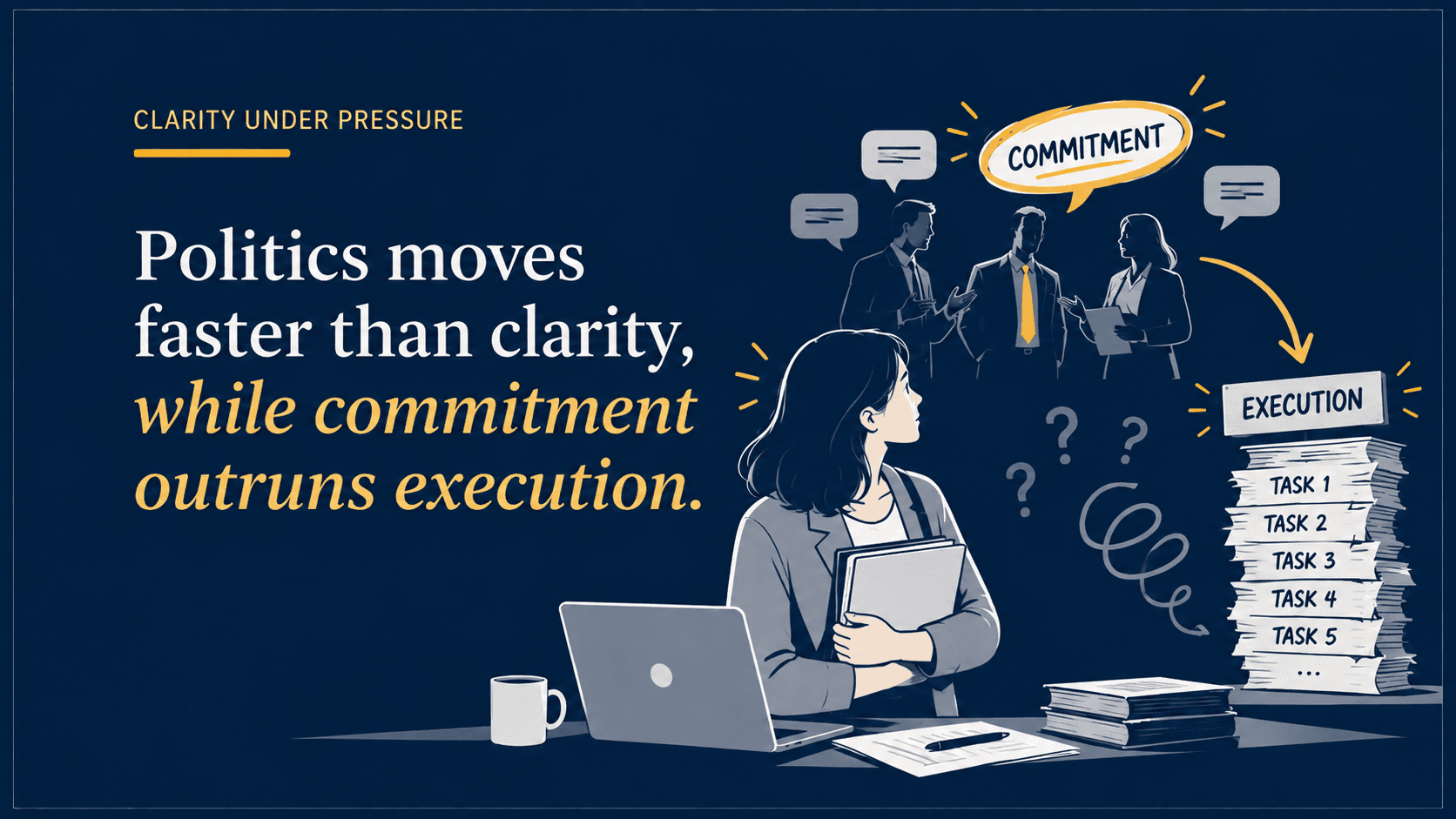
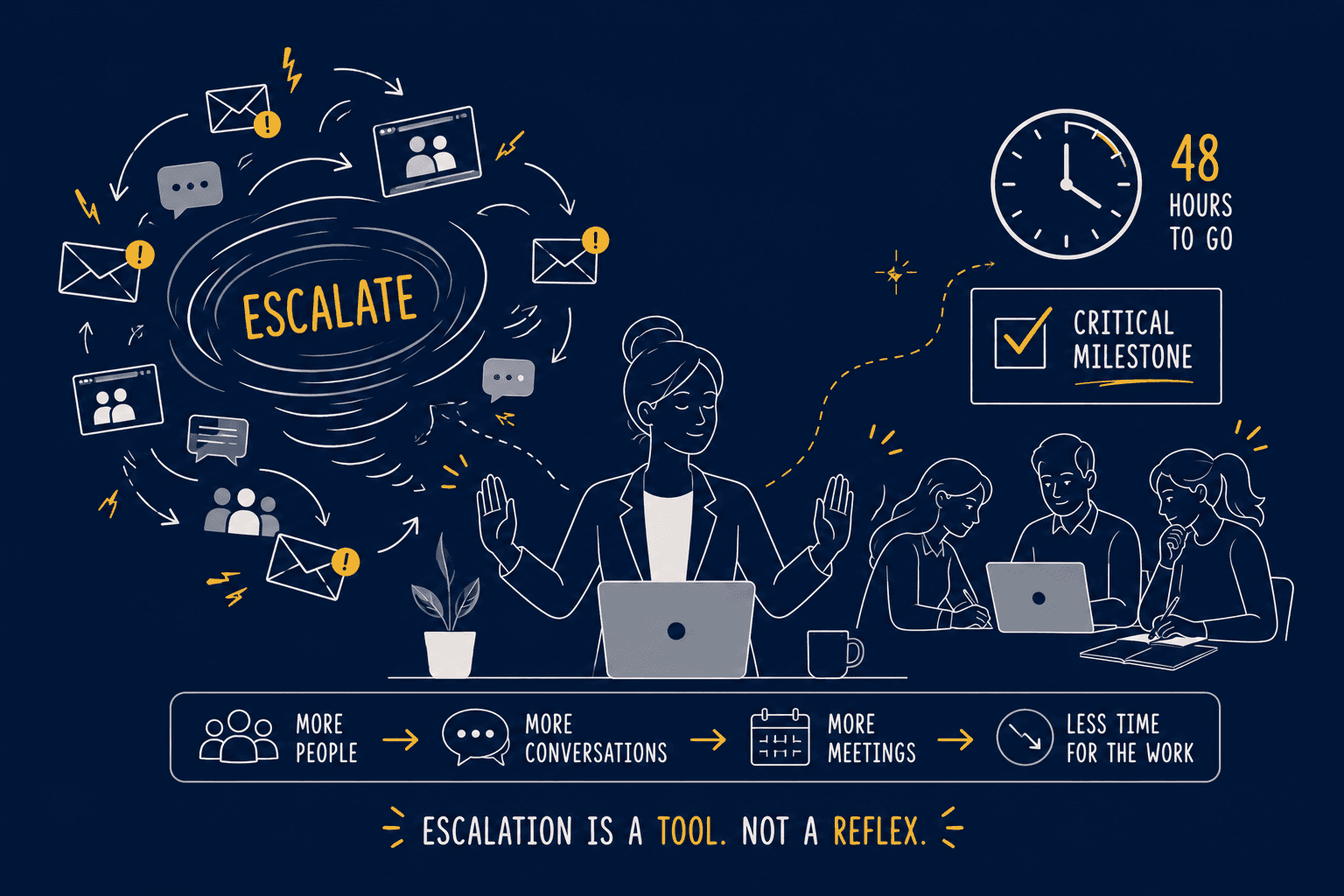
Reaching a project's first milestone tests leadership under pressure, requiring clarity to balance uncertainty and speed. Success comes from committing with enough information and adjusting as progress unfolds.

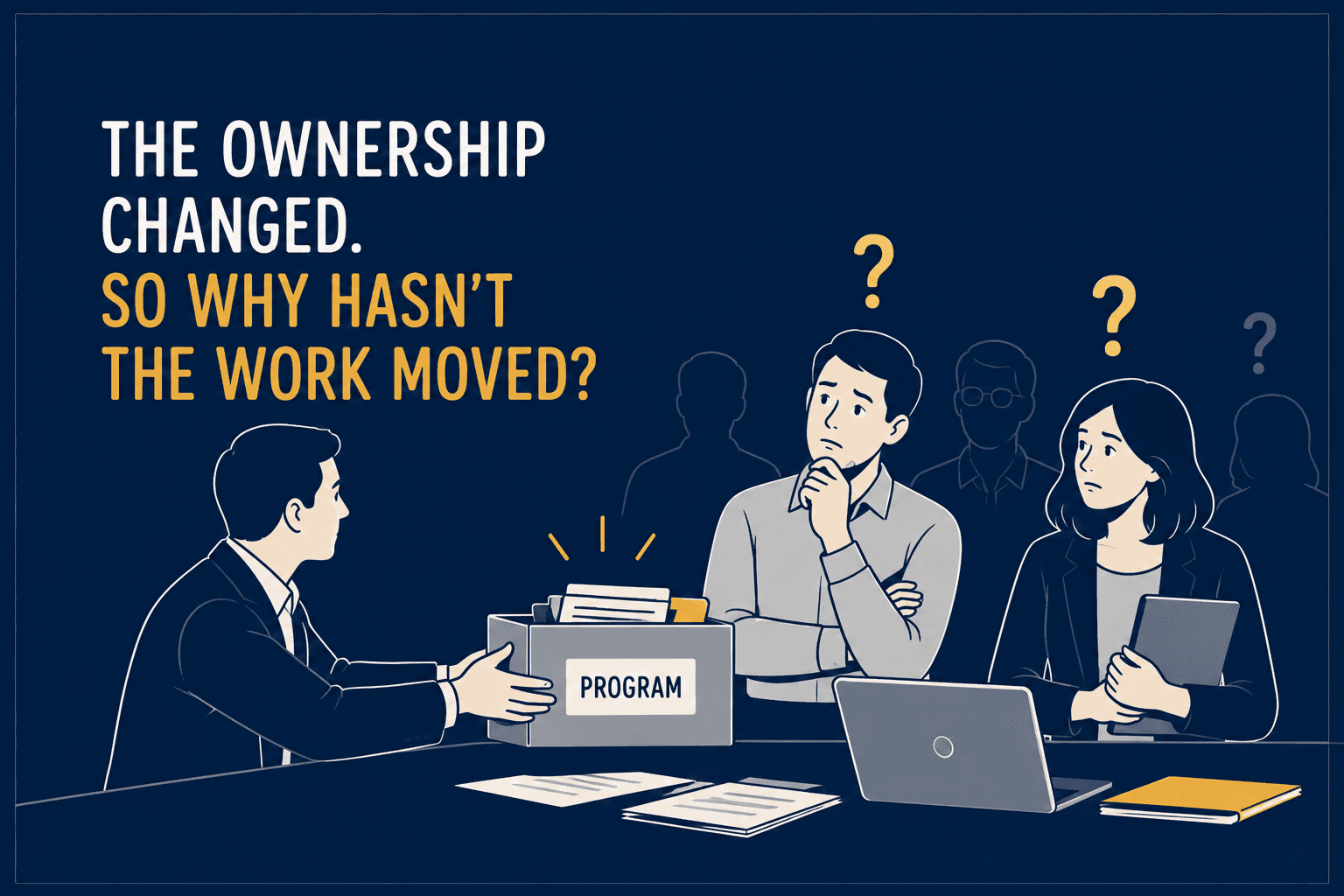
Meetings stall when clarity and shared ownership are missing, causing repeated discussions and weak accountability. True clarity requires alignment on responsibility, not just communication frequency.

Effective leadership under pressure requires calm, clear thinking to cut through urgency-driven chaos, prioritizing clarity and intentional decisions over noise and rapid reactions.

Mid-career leadership success hinges on aligning your natural style with role demands, making effort more impactful and less draining. Intentional awareness, not just hard work, leads to better decisions and sustainable impact in 2026.

After exhausting work weeks, I almost skipped the holiday party, but attending reminded me that visibility is key for introverts to build relationships and leadership presence in meaningful, intentional ways.

Effective leadership requires mastering one core expertise as an anchor and developing transversal skills as wings to expand influence, especially vital for introverted project leaders navigating hybrid work environments.

Listen to the audio version here: https://youtu.be/YAEqvG-Kwpc Last Tuesday, something happened that made me stop mid-sentence and rethink not just how I work — but how we all work today . Let me take you into that momen

Pressure is inevitable, but how we perceive and respond to it shapes our outcomes. Intentional leadership and self-awareness can turn pressure into momentum, driving progress and building trust under high-stakes conditions.

Project managers evolve through stages shaped by personality, experience, and soft skills, growing from disciplined executors to strategic leaders who manage both projects and people. Growth often comes from stepping beyond comfort zones.

Matching project managers to environments that suit their unique strengths is key to project success and PM fulfillment, as different archetypes thrive in specific types of projects, unlocking greater impact and organizational value.

Introverts often stay quiet to avoid conflict, but this can limit their roles and visibility at work. Claiming your voice respectfully helps break out of defined boxes and gain recognition for your true value.

Doing hard things isn’t about impressiveness but about stretching yourself through discomfort to build resilience and growth, whether that’s climbing a mountain or learning to bake bread. Embrace the challenge to discover who you can become.

Respect at work must be earned through clear communication, collaboration, and consistently modeling respect, especially for introverted leaders who often feel overlooked despite their hard work and titles.

Introverts can thrive in big social settings by seeking out others alone, using the environment for icebreakers, engaging in casual moments like coffee lines, and asking for help to spark genuine connections.

Introverted leaders can navigate team-building by shifting mindset, prioritizing key events, and embracing one-on-one connections, enabling meaningful engagement without burnout. Managing energy is essential for leadership growth and fulfillment.

Introverted leaders excel in project roles through careful oversight but must shift to empowering their teams and delegating effectively to scale their leadership impact and grow beyond hands-on management.

Introverts excel by creating space for quiet, deliberate thinking instead of rushing into group brainstorms. This approach leads to clearer insights and stronger leadership in fast-paced environments.