1/13/2025
The Bee Watcher Watcher: Navigating Governance and Delivering Results
Excessive governance can stall project progress by overwhelming teams with endless updates and stakeholder involvement. Introverted leaders can manage this by setting clear boundaries and focusing on calm, strategic communication.
Prefer to listen?
Podcast: Open episode
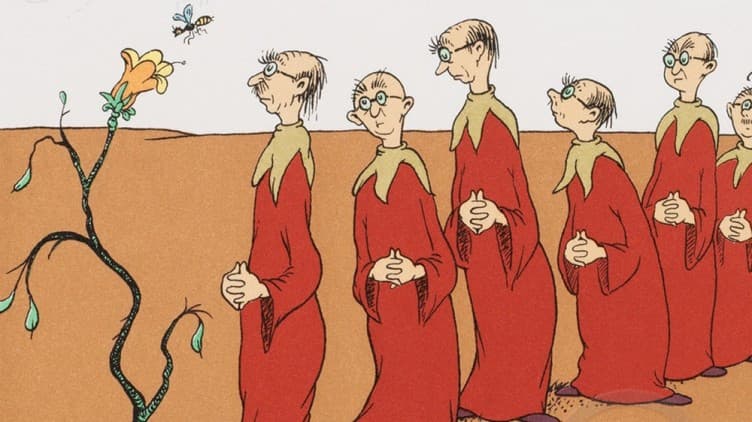
The Bee Watcher Watcher Scenario
Once again, it’s Friday night. As I wrapped up my final meeting of the week, I took a long, deep breath. Hours upon hours of discussions, reviews, and status reporting filled my schedule—but the real work? The solutioning and execution that drive the project forward? I hadn’t even gotten to that.
How did I end up here? In a cycle of endless updates and discussions, trying to calm down stakeholders and provide assurances while the actual work felt stalled?
Let me walk you through what happened this week—because it’s a scenario I’m sure many of you can relate to.
Earlier this week, during a routine project status update meeting, a senior client executive—someone who hadn’t been deeply involved or aligned with the project’s progress—made an unexpected appearance. After listening to the update for a few minutes, they dropped a statement that shook the room:
“We’re already well into this project, but this doesn’t align with what I envisioned. I need a full overview of where we are and the key insights.”
What followed was a classic chain reaction of governance escalation.
- The sales executive, eager to maintain the client relationship, messaged the project sponsor: “We need to address this ASAP.”
- The project sponsor, now concerned, reached out to the department lead: “How are we going to handle this? Why does the client feel misaligned?”
- The department lead, feeling the urgency, turned to me, the project lead: “What’s the plan? How are we answering these concerns?”
Before I knew it, I was inundated with questions like:
- What’s the root cause of the client’s concerns?
- How are we going to fix this?
- What adjustments do we need to make?
- What’s our updated timeline?
Layer after layer of stakeholders—the “Bee Watchers”—hovered over the project, each with their own agendas and questions. Meanwhile, the project team—the actual bees working on the solution—was left trying to navigate this maze of governance and oversight.
The result? Progress slowed, alignment meetings piled up, and by Friday evening, I found myself in the very situation I described: no time for actual solutioning, only endless discussions.
Governance: How Much Is Too Much?
Governance is an essential part of project management. It exists to:
- Mitigate risks and ensure project alignment.
- Provide stakeholders with visibility into progress.
- Facilitate decision-making and accountability.
When done right, governance creates a structured framework that guides the project to success. It helps align stakeholders, identify risks early, and ensure resources are allocated effectively.
However, there’s a tipping point. Too much governance can paralyze progress. Endless reviews, conflicting feedback, and over-involvement from stakeholders can overwhelm the team and distract from execution.
The Balance of Governance
The key is finding the right balance: enough governance to manage risks without stifling progress. Here are some indicators of balanced governance:
- Clarity of Roles: Stakeholders understand their roles and responsibilities, avoiding unnecessary overlaps.
- Defined Cadence: Governance activities—like status updates and reviews—are scheduled at regular intervals, not ad hoc.
- Focus on Outcomes: Governance discussions center on solutions, not just identifying problems.
- Team Protection: The project team’s time is respected, allowing them to focus on execution.
How Introverted Leaders Navigate These Scenarios
For introverted leaders, these situations can feel overwhelming. The constant questions, escalations, and high visibility may not align with our natural preference for quiet, reflective problem-solving. But introverted leaders have strengths that are invaluable in these scenarios:
- Listening to Understand: Introverted leaders excel at active listening, allowing them to identify the root causes of stakeholder concerns.
- Calm Amid Chaos: In high-pressure situations, introverted leaders bring a sense of calm and focus, which helps steer the team toward solutions.
- Thoughtful Communication: Rather than reacting impulsively, introverted leaders craft clear, concise messages that address stakeholder concerns effectively.
- Strategic Alignment: By stepping back to see the bigger picture, introverted leaders can align governance activities with project priorities.
Strategies for Managing Governance and Driving Alignment
Here are actionable strategies introverted leaders can use to navigate governance-heavy scenarios:
- Set Boundaries Early
Establish a clear governance structure at the start of the project. Define the cadence of updates, the roles of stakeholders, and the escalation process for concerns. - Create a Single Source of Truth
Develop a centralized dashboard or document where stakeholders can access project updates, reducing repetitive questions. - Facilitate Alignment Sessions
When stakeholders have diverging perspectives, schedule alignment meetings to clarify objectives and next steps. - Prioritize Feedback
Not all feedback is critical. Focus on addressing inputs that directly impact project success. - Communicate the Path Forward
When concerns escalate, clearly outline the plan to address them. This reassures stakeholders and shifts the focus from problems to solutions.
Final Thoughts
The Bee Watcher Watcher scenario is a reminder of how quickly governance can spiral if left unchecked. While governance is essential, too much can overwhelm the team and stall progress.
For introverted leaders, navigating these scenarios requires leveraging your strengths: calm, clarity, and thoughtful communication. By managing stakeholder expectations and protecting your team’s time, you can strike the right balance and drive successful outcomes.
What are your strategies for managing governance and driving alignment? I’d love to hear your thoughts.